
Attendance codes
England's DfE register codes, as set by the 19 August 2024 rules.
Registers, marking, safeguarding and statutory returns in one workspace. Mosaic Assist drafts. You approve.
No card. No obligation.
9C Python quiz · 28 pieces
Feedback draftedStrong use of loops in question 3. Check the indentation in question 5 before the next task.
You approve everything. Mosaic just drafts.
These are the standards we design against. Mosaic holds no certification yet. Cyber Essentials certification is in progress. The security page says what is and is not in place.
England's DfE register codes, as set by the 19 August 2024 rules.
School Census returns generated as XML and checked before you send them.
Pupil records imported and exported as CTF files.
Product facts as described in Mosaic's own documentation, checked 9 October 2026. Mosaic has not yet completed a full census cycle with a school.
Mosaic Assist drafts pupil feedback and pupil reports. You edit the draft, then approve it. Approving writes your comment. It never writes the mark.
How Mosaic Assist works
Strong use of loops in question 3. Check the indentation in question 5 before the next task.
The Today view is in progress. It shows your lessons, your marking and a morning brief, with Mosaic Assist beside them.
See all features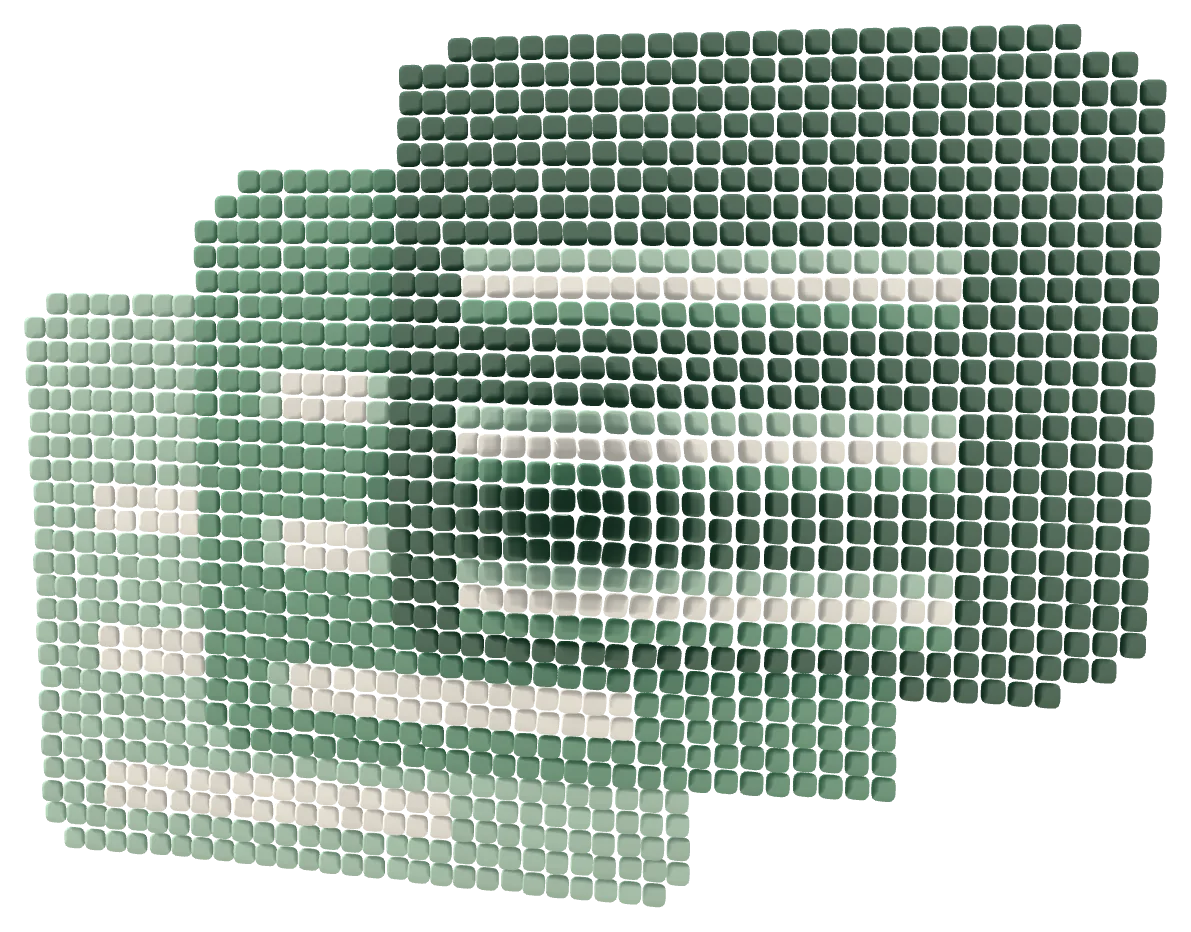
Your day
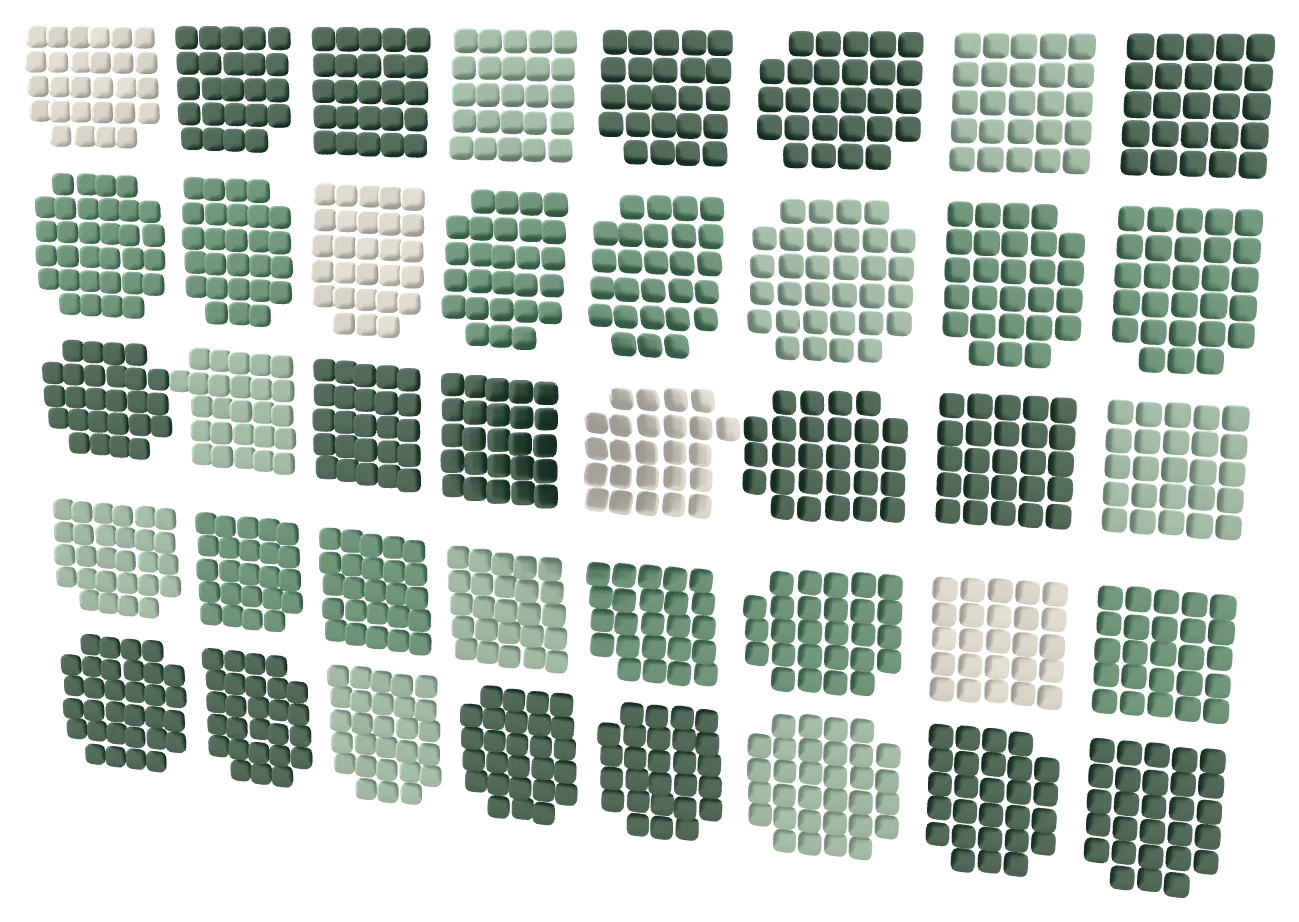
Take registers using the England DfE attendance codes. Staff and parents each see the view that suits them.
Concerns are stored where only the designated safeguarding lead can read them. Deputies get access by being given that role.

DSL only
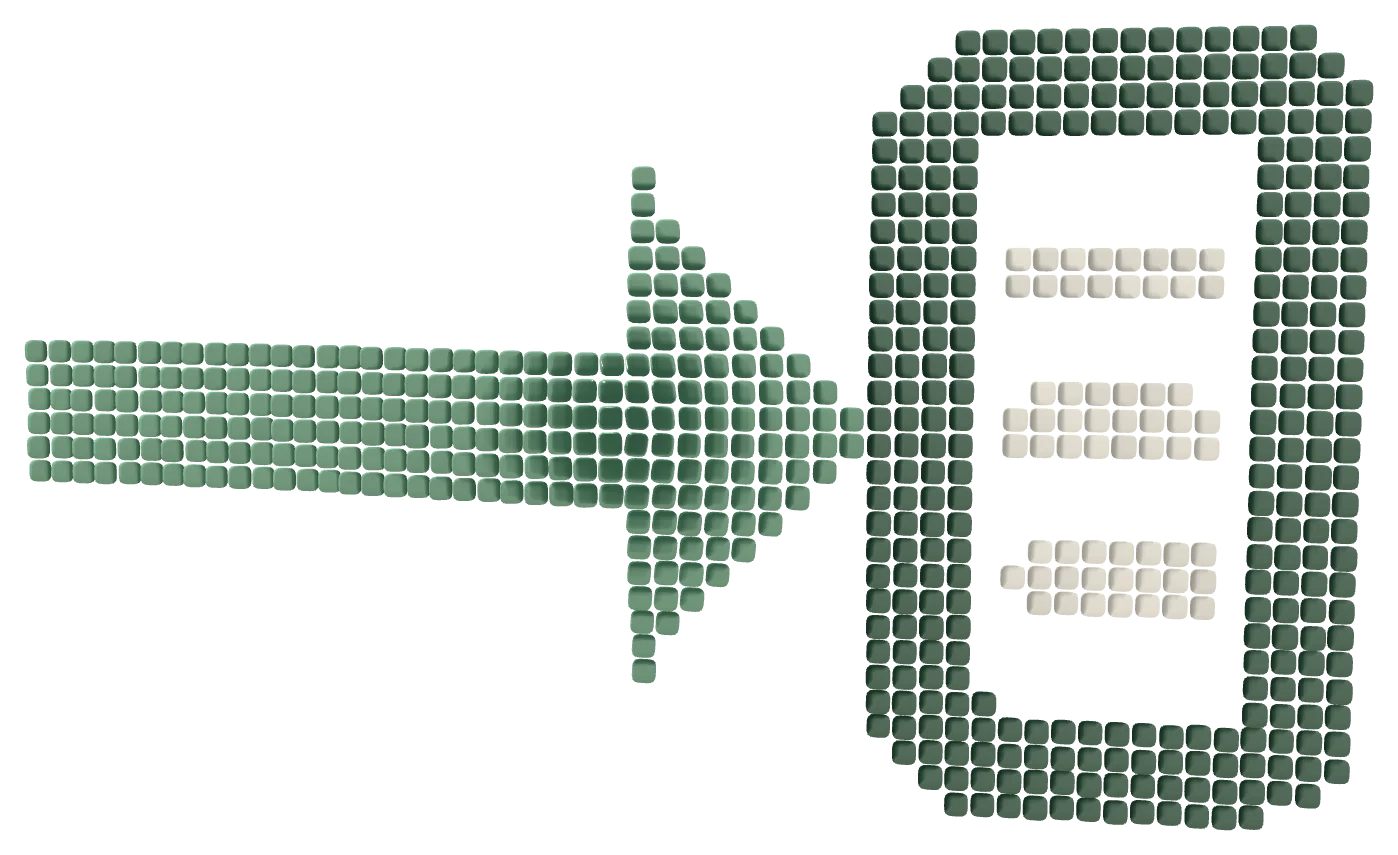
Generate School Census returns as XML and check them before you send them. Move pupil records between schools as CTF files.
Statutory returns
Approving writes your comment on the mark book. The mark stays yours.
What is sent to the AI providerDraft. A parent cannot see this yet.
Sample data from the fictional school Whitmore Park.
The database enforces the separation with row-level security, and automated tests check it across schools.
Only the designated safeguarding lead role holds safeguarding permissions. Not administrators, not platform support.
With no AI provider configured, Mosaic Assist is simply unavailable. Each school also has a monthly AI usage budget, and Assist stops when it is reached.
Mosaic is designed to run three ways: in the cloud, which is the default; self-hosted in the UK; or on a school's own server.
No certification is held today. Cyber Essentials certification is in progress. Cyber Essentials Plus accreditation is part of the launch plan.
A personal workspace for individual teachers. Planned.
Price on request
For prep, pre-prep and small independent schools.
Price on request
For state primary and secondary schools, with statutory returns.
Price on request
For secondary schools that want deeper analysis.
Price on request
For multi-academy trusts.
Price on request
Launch pricing is not published yet. Tell us about your school and we will send a proposal.
See the editionsShort videos on the product, and on how we handle children's data.
Mosaic is in development and is not yet open for general sign-up. Request a demo to see what is built today.
No. The teacher awards every mark. Mosaic Assist drafts comments, and its AI marking commentary suggests one mark band for the whole piece; an AI marking proposal suggests a mark band for each criterion of your mark scheme. You review both, and you decide.
For drafts of feedback, progress comments, pupil reports, lesson ideas, exit-ticket questions, governors' reports and leadership insights, and for the AI marking commentary in the mark book, Mosaic Assist sends what you type or paste to the AI provider word for word, with nothing taken out, so keep sensitive detail out of it; the figures for a governors' report or an insight can include pupils' full names. Mosaic also adds the pupil's first name to feedback, progress comments, pupil reports and the marking commentary, but never their surname, unique pupil number, date of birth or the sealed medical, ethnicity and SEN fields; feedback and the marking commentary also send the subject and the assessment, and a pupil report the pupil's attendance, behaviour, detention, homework and recent results figures. AI marking proposals in the AI marking review tab send the text of the pupil's work and your mark scheme, with the full names of the school's pupils and details such as e-mail addresses, phone numbers and postcodes taken out; a first name on its own, or another name, can still be sent. Other AI features send what they work from: a draft reply to a message sends the latest message in the thread, its subject and, when it is about a pupil, the pupil's first name and figures. The provider is a third party, Anthropic, and a school should have a data processing agreement and a data protection impact assessment in place before it uses Mosaic's AI features with pupil data. Automatic screening of notes for sensitive detail is planned, not built.
Only people who hold the designated safeguarding lead role.
Mosaic is designed to run three ways: in the cloud, which is the default; self-hosted in the UK; or on a school's own server. For the cloud, the hosting location is the UK or the EU (Finland).
Mosaic imports and exports CTF files, the standard format for moving pupil records between schools. Other routes are in progress.
We design to WCAG 2.2 AA and test colour contrast automatically.
It counts visits with Umami, a web analytics service. It sets no cookies and shows no advertising. The privacy notice lists what Umami receives.